EXHIBITION
To me, it’s not the middle of nowhere; as I said, it’s the center of the world, and it’s basically because I like the land and I like to be here.
– Donald Judd
Interview with Hans Keller For the television program Roerend Goed, Summer 1993
This place is primarily for the installation of art, necessarily for whatever architecture of my own that can be included in an existing situation, for work, and altogether for my idea of living. As I said, the main purpose of the place in Marfa is the serious and permanent installation of art.
– Donald Judd
"Marfa, Texas,” 1985
Donald Judd (1928‒1994), known as a leading artist of the twentieth century, left New York in the 1970s and moved to Marfa, Texas, near Mexico. There he repurposed buildings for living and working, and established the Chinati Foundation for the permanent installation of his work and that of other artists such as Dan Flavin, John Chamberlain, and Ilya Kabakov. Each of the spaces Judd pursued in this way has now, after half a century, remain as Judd intended in Marfa.
In addition to a selection of Judd's early paintings from the 1950s and the three-dimensional works from the 1960s through the 1990s, this exhibition introduces his spaces in Marfa through drawings, plans, videos, and materials. The works and materials presented in this exhibition allow visitors to discover Judd's strong conviction about the integrity of visual art and its installation, of which he wrote “cannot be reduced to performance.”
The exhibition also features a section documenting the 1978 exhibition, The Sculpture of Donald Judd (February 22–March 22, 1978), organized by WATARI-UM founder Shizuko Watari.
WORKS
-
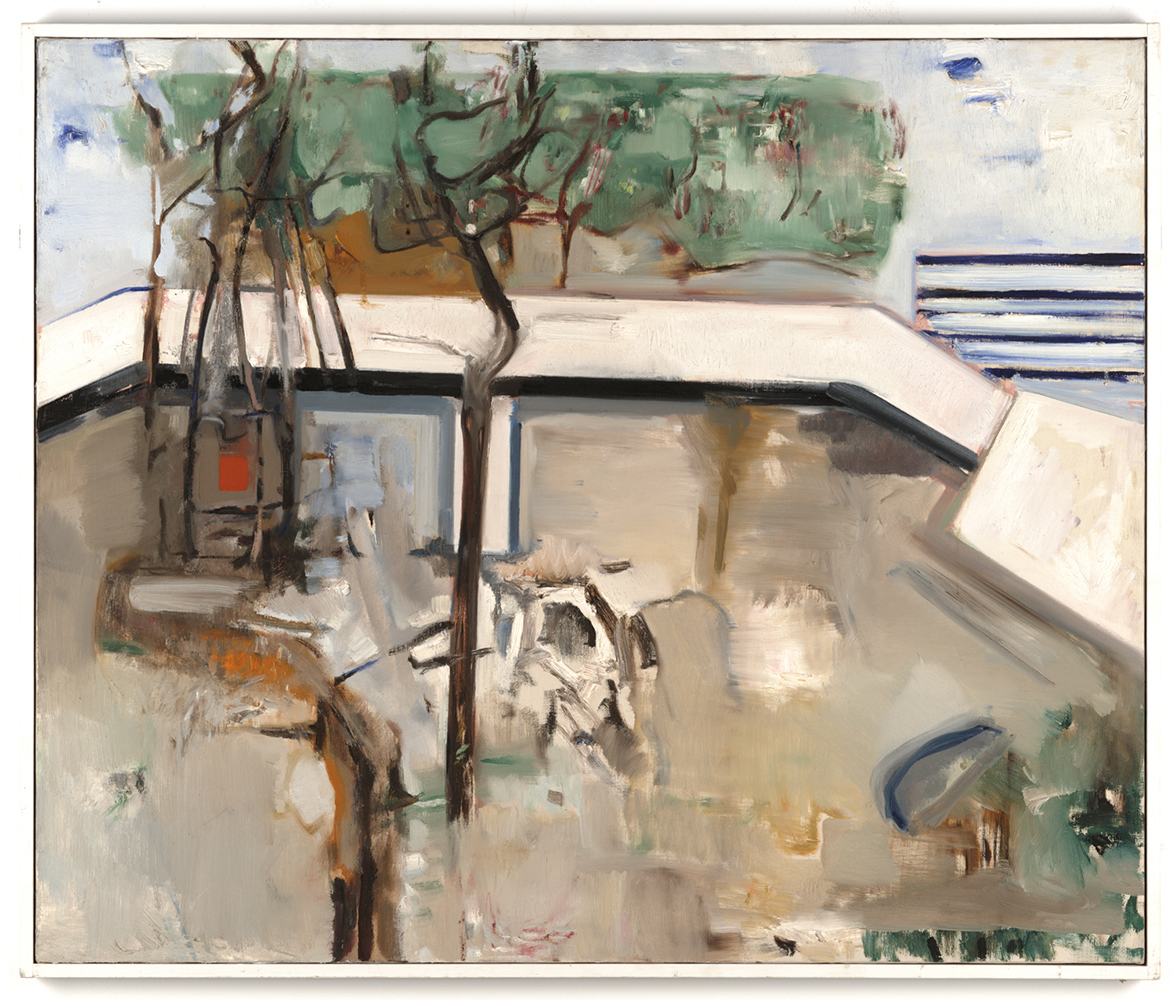
Untitled, 1955. Oil on canvas. Collection: Judd Foundation
Donald Judd Art © 2026 Judd Foundation/ARS,NY/JASPAR, Tokyo. -
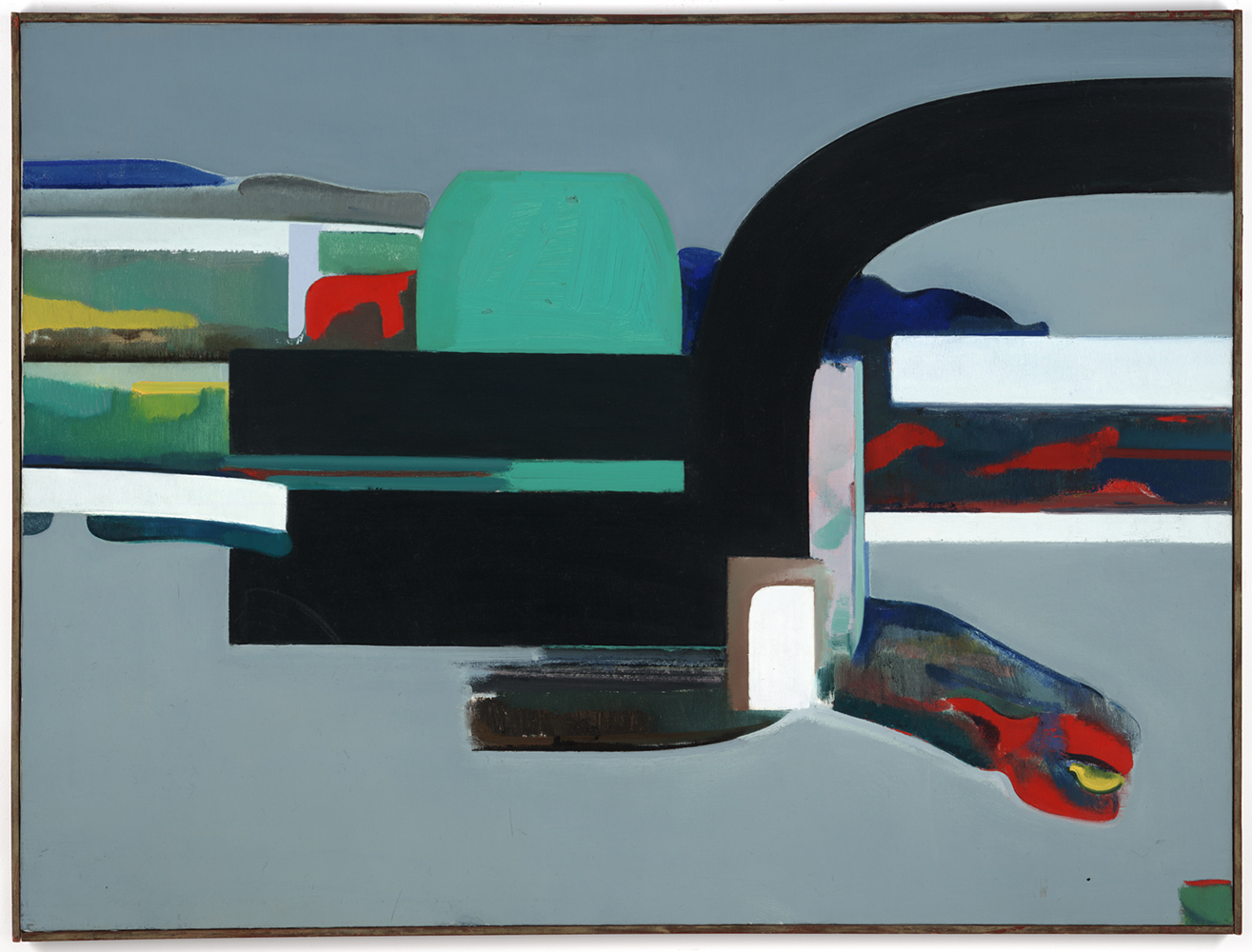
Welfare Island, 1956. Oil on canvas. Collection: Judd Foundation
Donald Judd Art © 2026 Judd Foundation/ARS, NY/JASPAR, Tokyo. -
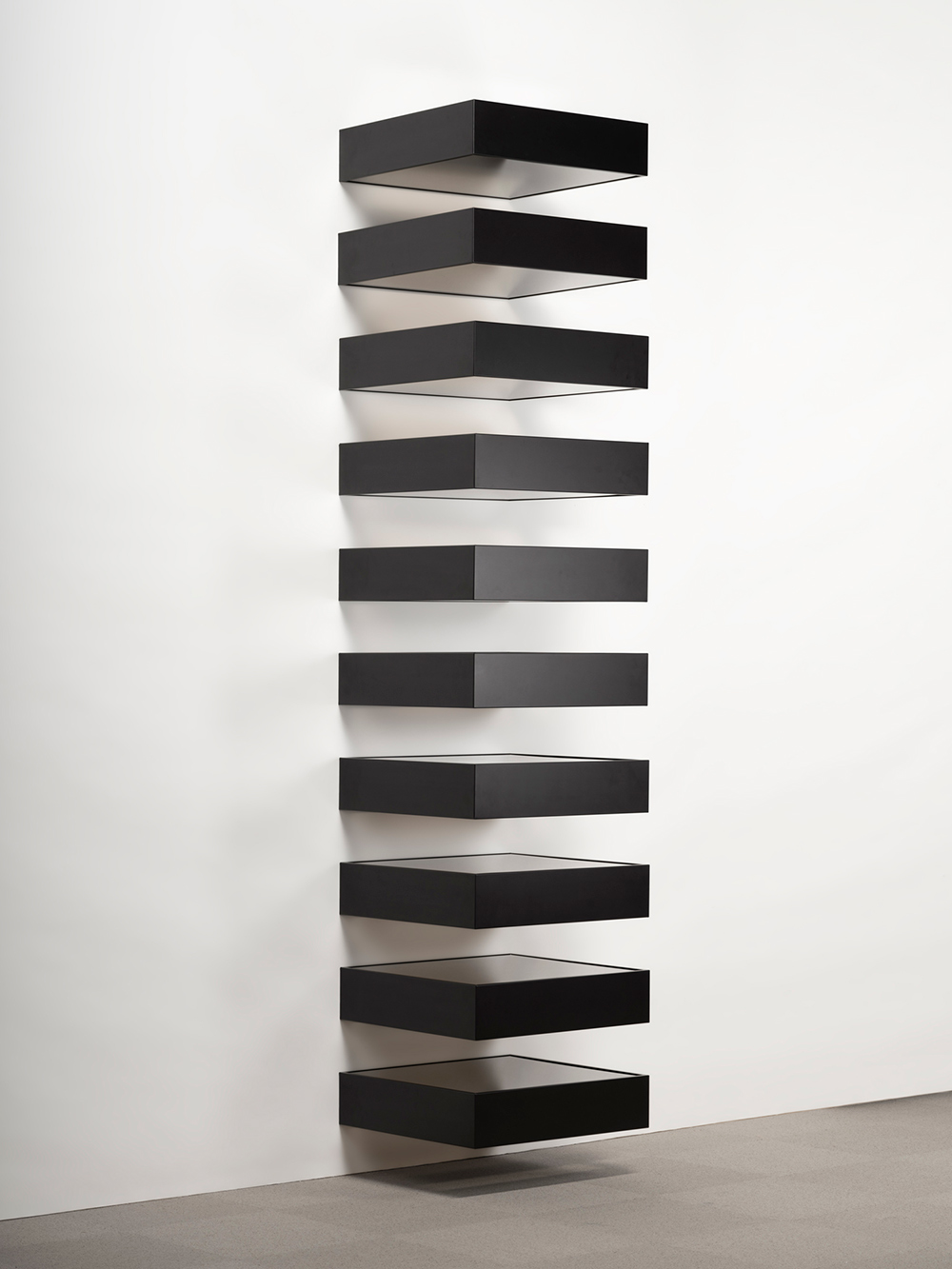
Untitled, 1990. Black anodized aluminum with bronze plexiglass,10 units. Collection: Shizuoka Prefectural Museum of Art
Donald Judd Art © 2026 Judd Foundation/ARS, NY/JASPAR, Tokyo. -
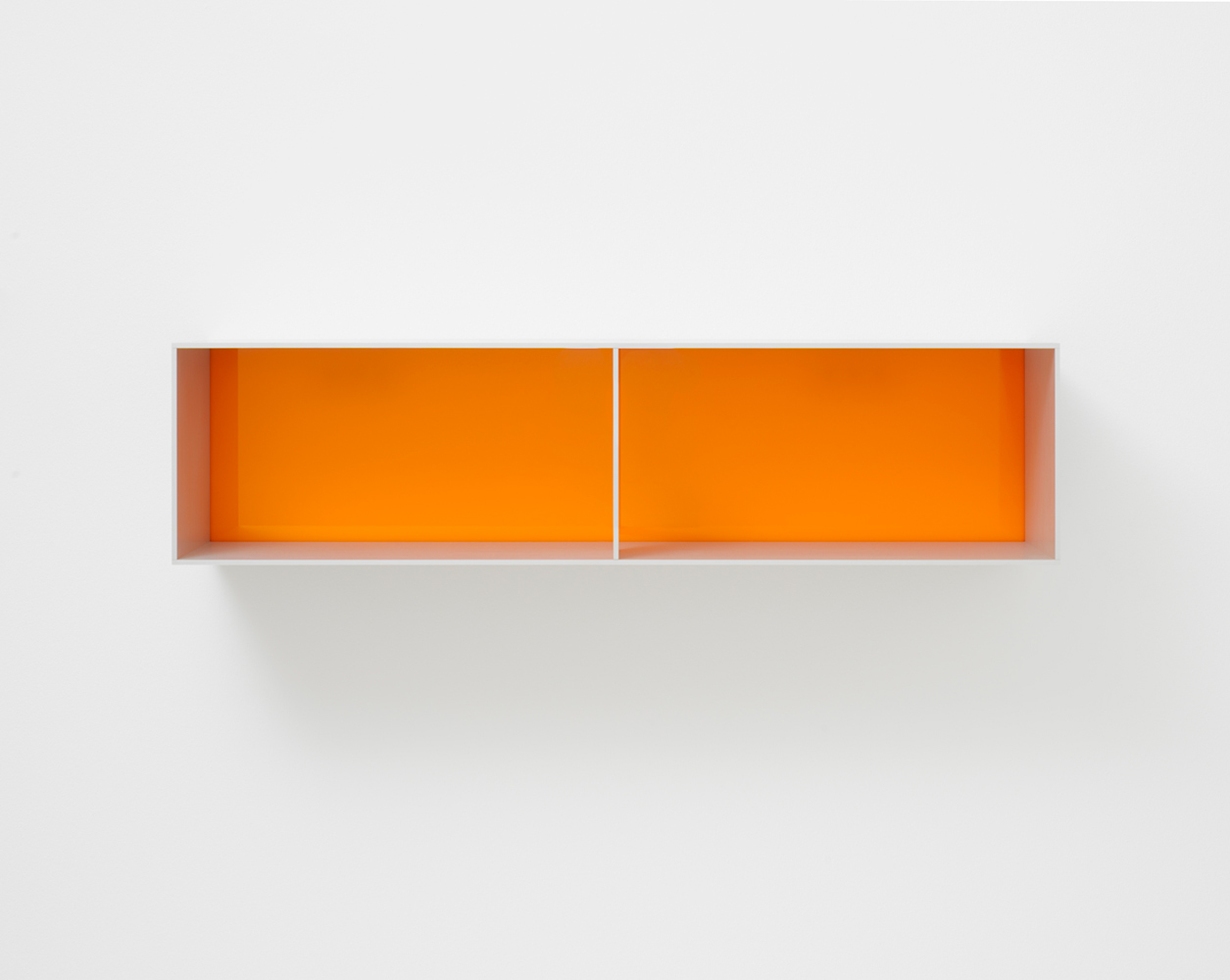
Untitled, 1991 Clear anodized aluminum with transparent amber over yellow plexiglass
Donald Judd Art © 2026 Judd Foundation/ARS, NY/JASPAR, Tokyo.
PHOTOGRAPHY
-
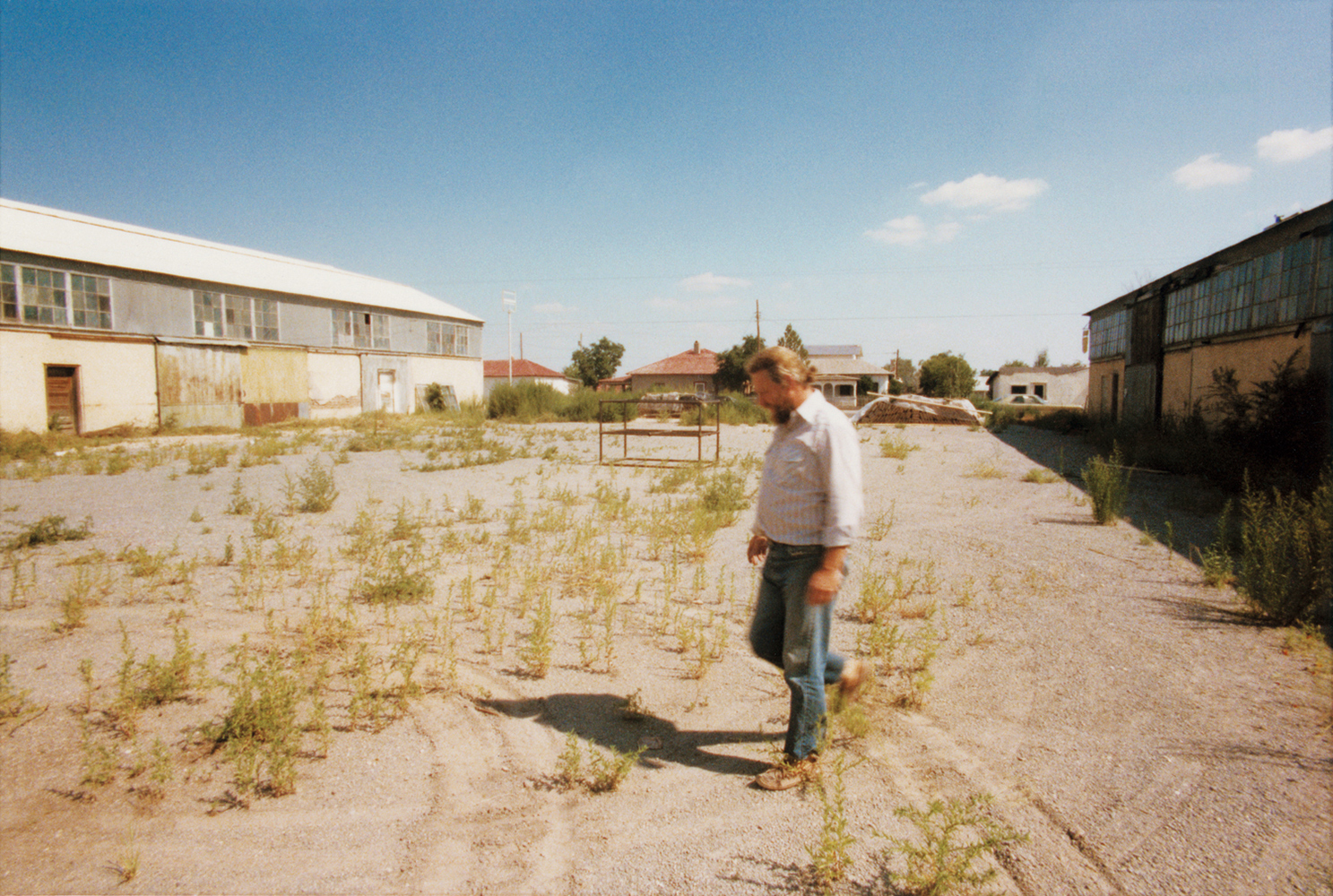
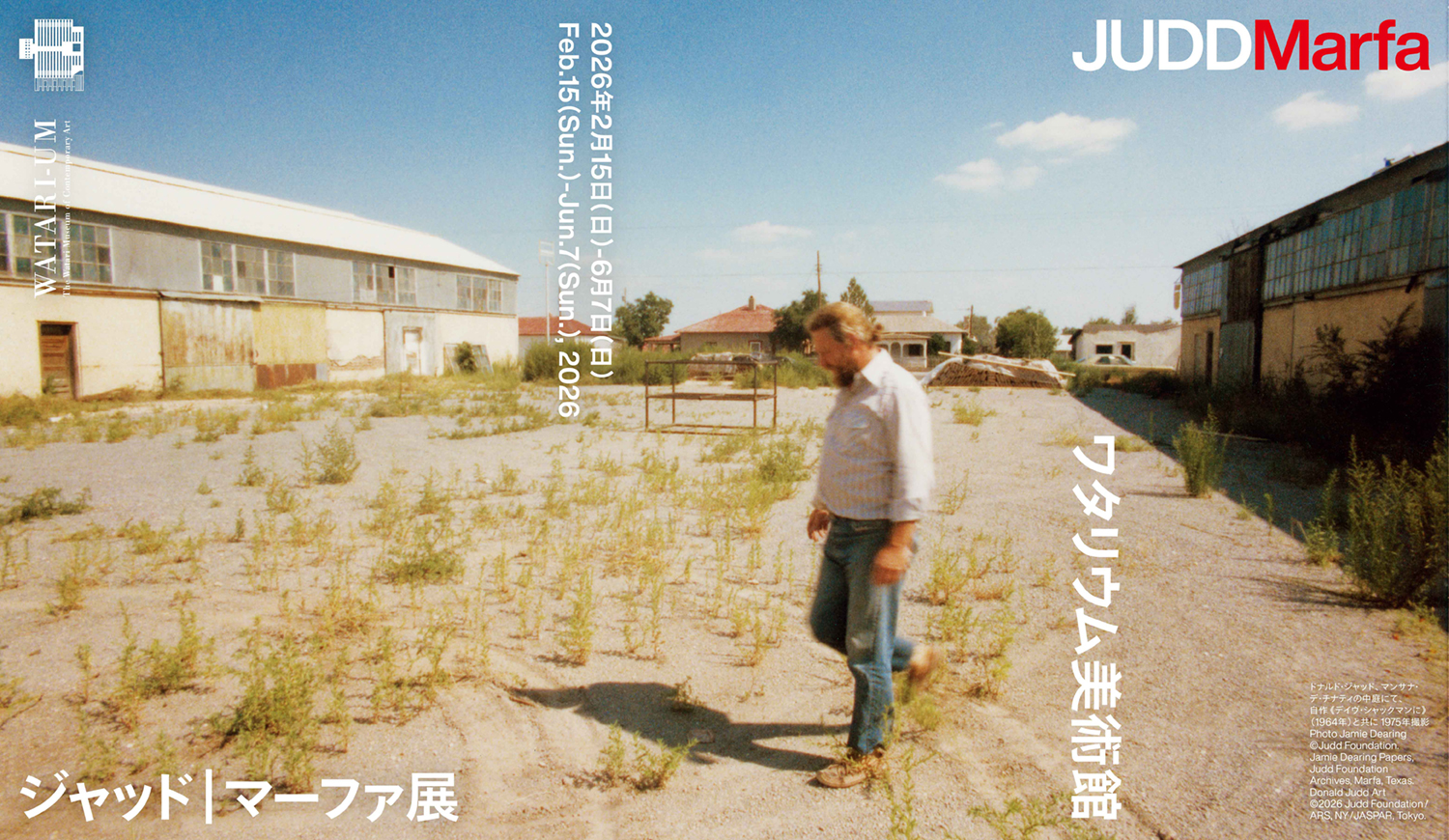
Donald Judd in courtyard of La Mansana de Chinati/The Block with To Dave Shackman (1964), 1975.
Photo Jamie Dearing © Judd Foundation. Jamie Dearing Papers, Judd Foundation Archives, Marfa, Texas.
Donald Judd Art © 2026 Judd Foundation/ARS, NY/JASPAR, Tokyo. -
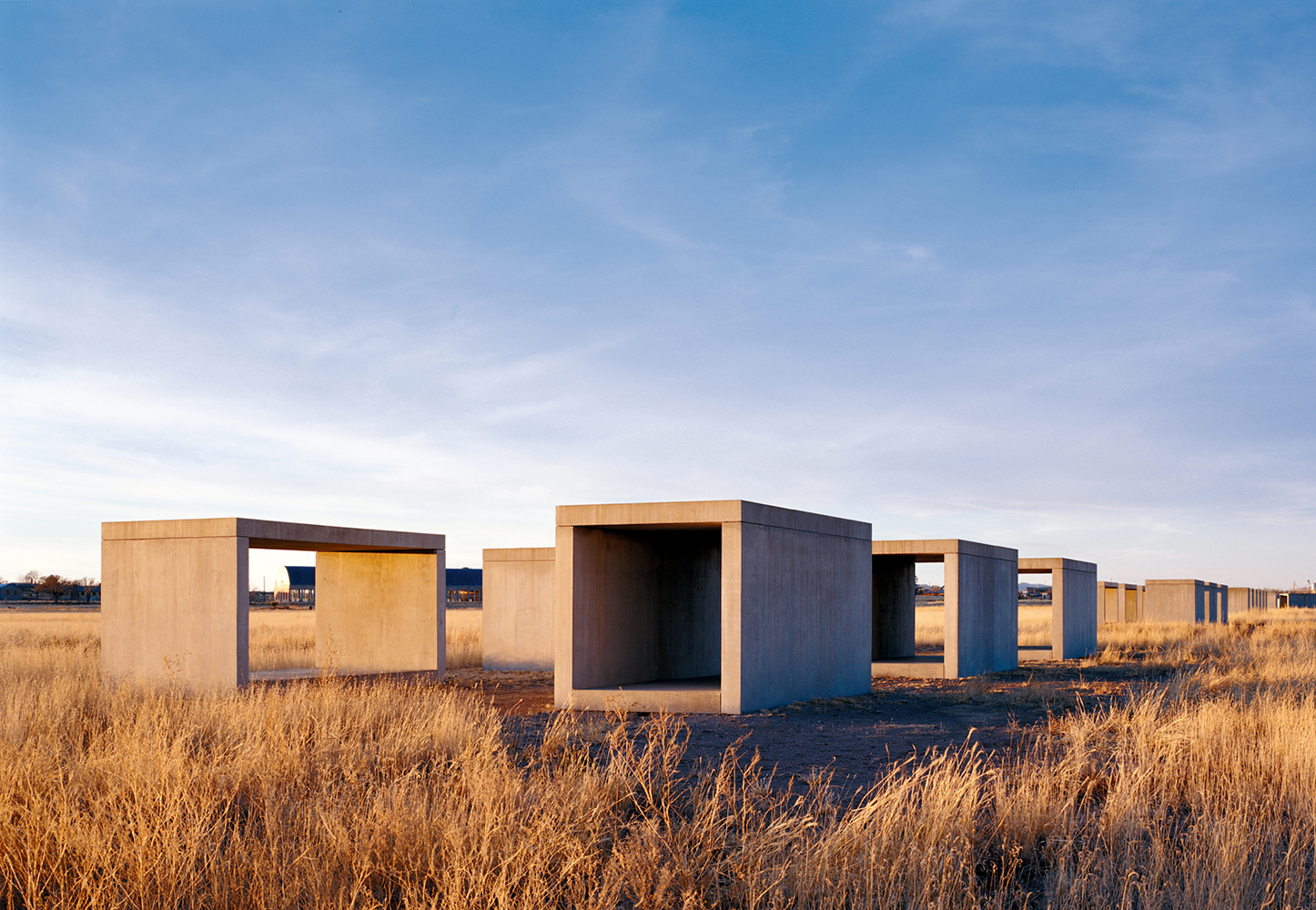
15 untitled works in concrete, 1980–84.
Permanent collection, The Chinati Foundation, Marfa, Texas. Photo by Florian Holzherr, courtesy The Chinati Foundation.
Donald Judd Art © 2026 Judd Foundation/ARS, NY/JASPAR, Tokyo. -
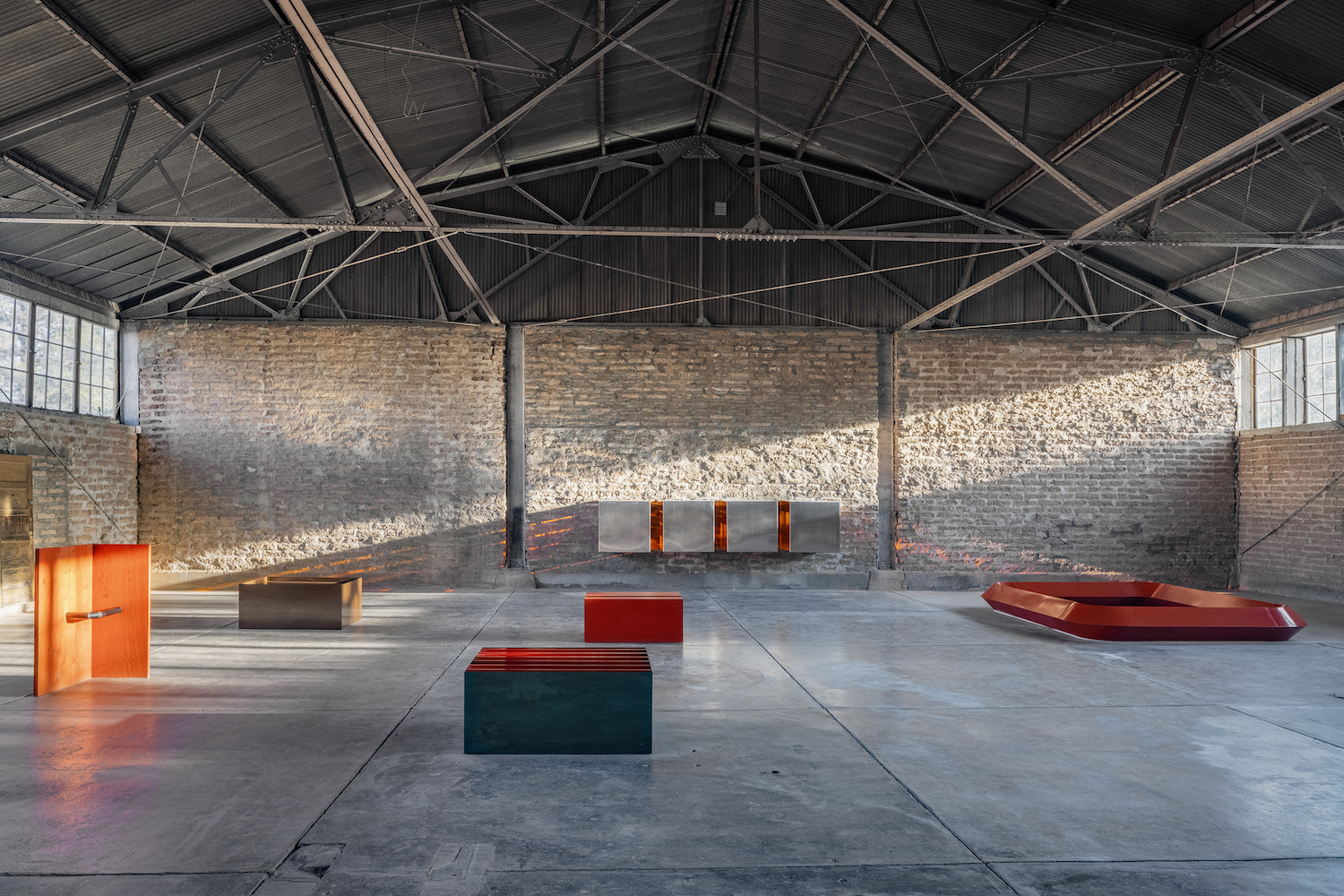
South room, West building, La Mansana de Chinati/The Block, Judd Foundation, Marfa, Texas.
Photo Alex Marks © Judd Foundation. Donald Judd Art © 2026 Judd Foundation/ARS,NY/JASPAR, Tokyo. -
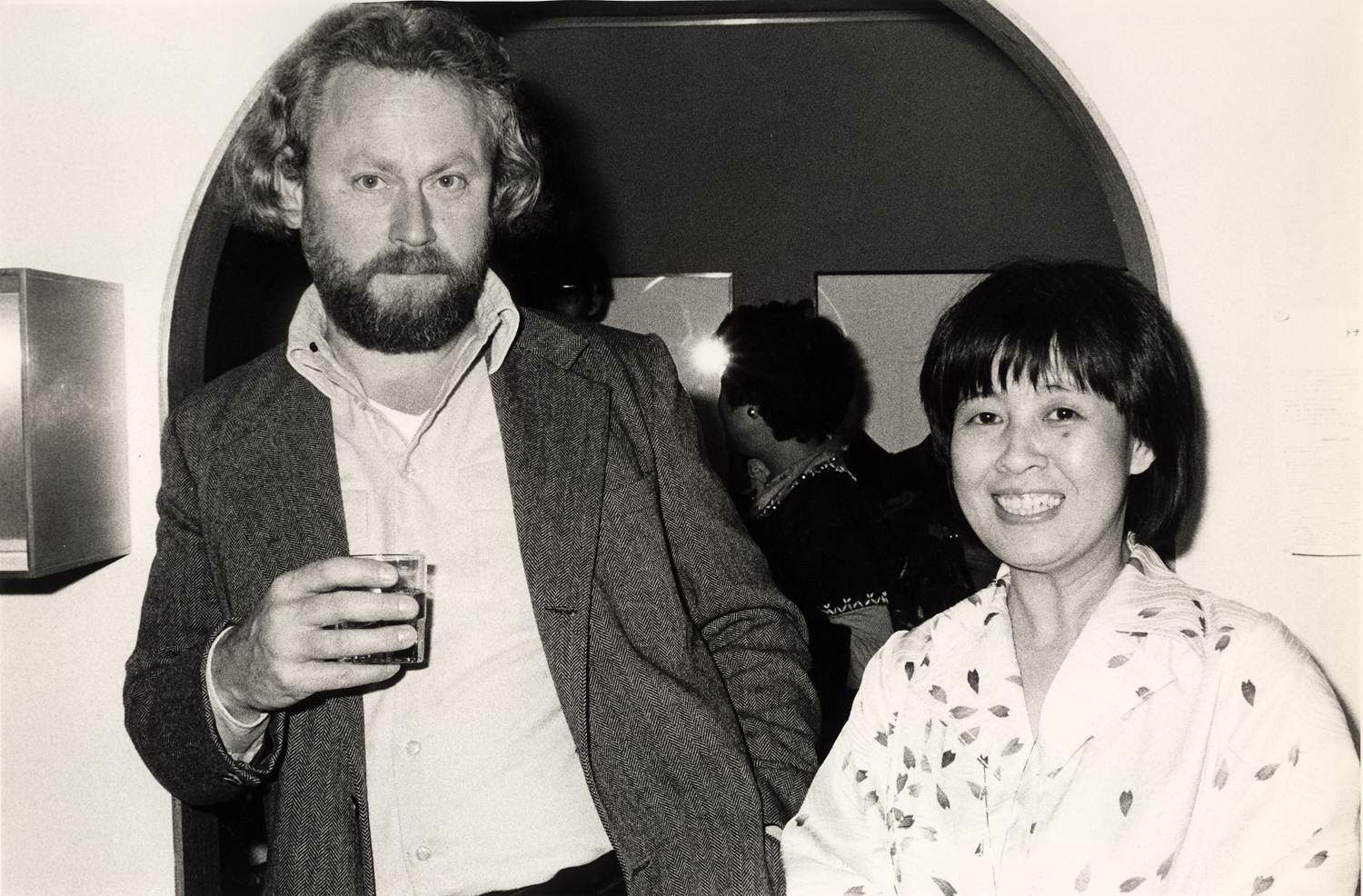
Donald Judd and Shizuko Watari in Tokyo, 1978. Courtesy Judd Foundation Archives, Marfa, Texas.
PROFILE
-
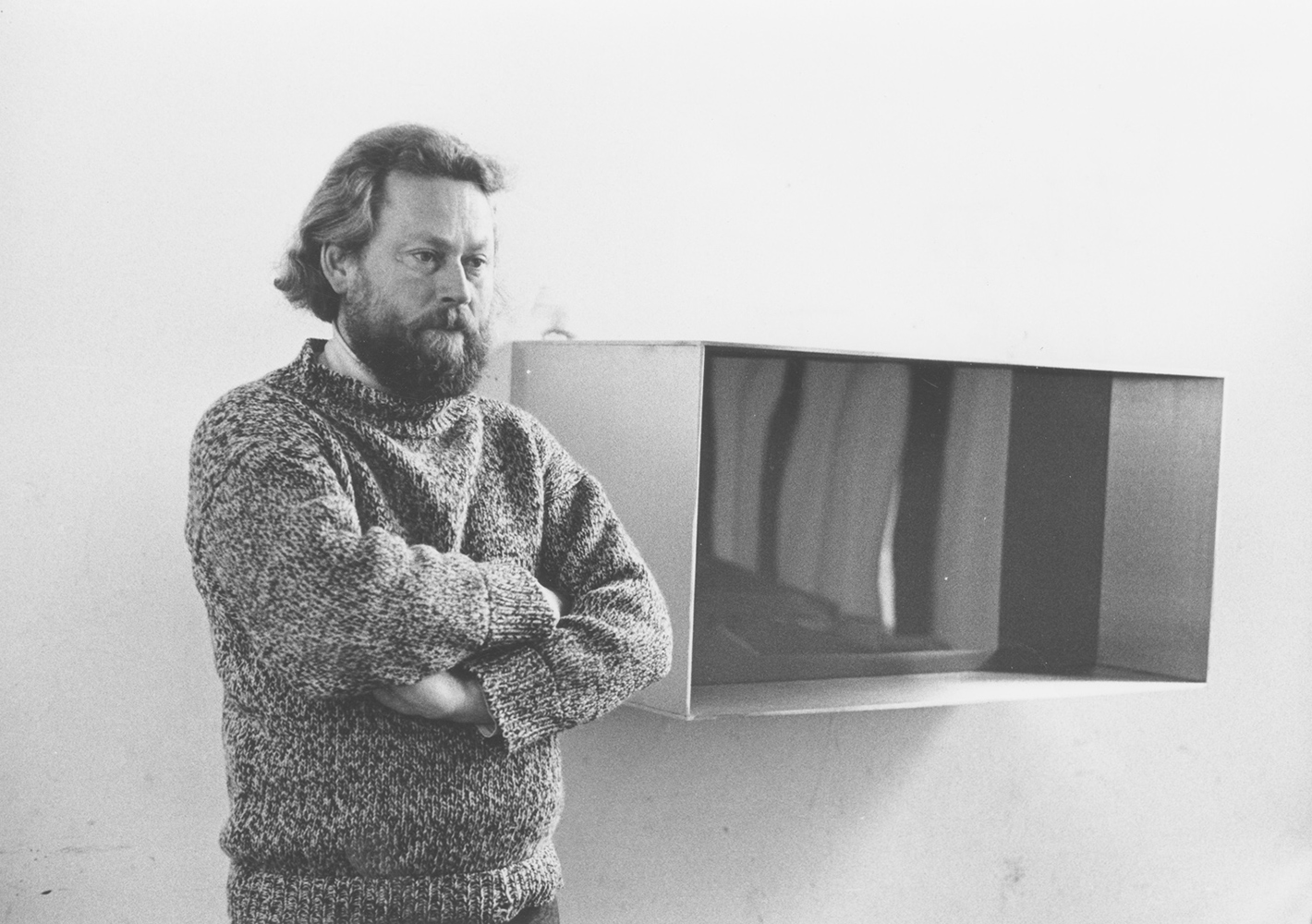
Donald Judd, 1977.
Courtesy Judd Foundation Archives, Marfa, Texas. Donald Judd Art © 2026 Judd Foundation/ARS, NY/JASPAR, Tokyo. - Donald Judd (1928–1994)
Donald Judd remains one of the most significant artists of the twentieth century. His radical ideas and work continue to provoke and influence the fields of art, architecture, and design. Donald Clarence Judd was born on June 3, 1928 in Excelsior Springs, Missouri. He served in the United States Army in Korea from June 1946 until November 1947. Upon his return to the United States, Judd studied philosophy and art history at Columbia University and painting at the Art Students League. From 1959 to 1965, he worked as an art critic, often writing over a dozen reviews a month. Judd was a painter until the early 1960s, when he began making work in three dimensions which changed the idea of art. Throughout his lifetime Judd advocated for the importance of art and artistic expression. He wrote extensively on the importance of land preservation, empirical knowledge, and engaged citizenship.
Judd developed his ideas concerning the permanent installation of artwork first in New York, at 101 Spring Street, a five-story cast-iron building he purchased in 1968. Judd began to purchase properties in Marfa in 1973 where he would continue permanently installing his work and the work of others until his death in 1994. These spaces, including studios, living quarters, and ranches, reflect the diversity of his life’s work. Judd established the ideas of Judd Foundation in 1977, founded to preserve his art, spaces, libraries, and archives as a standard for the installation of his work. In 1986, he founded the Chinati Foundation / La Fundación for the permanent installation of large-scale works by himself and his contemporaries, artist residencies and long-term exhibitions.
For almost four decades, Judd exhibited throughout the United States, Europe, and Asia with his work in museum collections worldwide. Major exhibitions of his work include the Whitney Museum of American Art, New York (1968, 1988); the National Gallery of Canada, Ottawa (1975); Stedelijk Van Abbemuseum, Eindhoven (1970); Tate Modern, London (2004); and the Museum of Modern Art, New York, (2020).