
EXHIBITION
Creating a garden reveals an alternative architecture that is totally different from the one we know today.
It is an architectural practice that is both quite vernacular and spiritual.
— Wang Shu
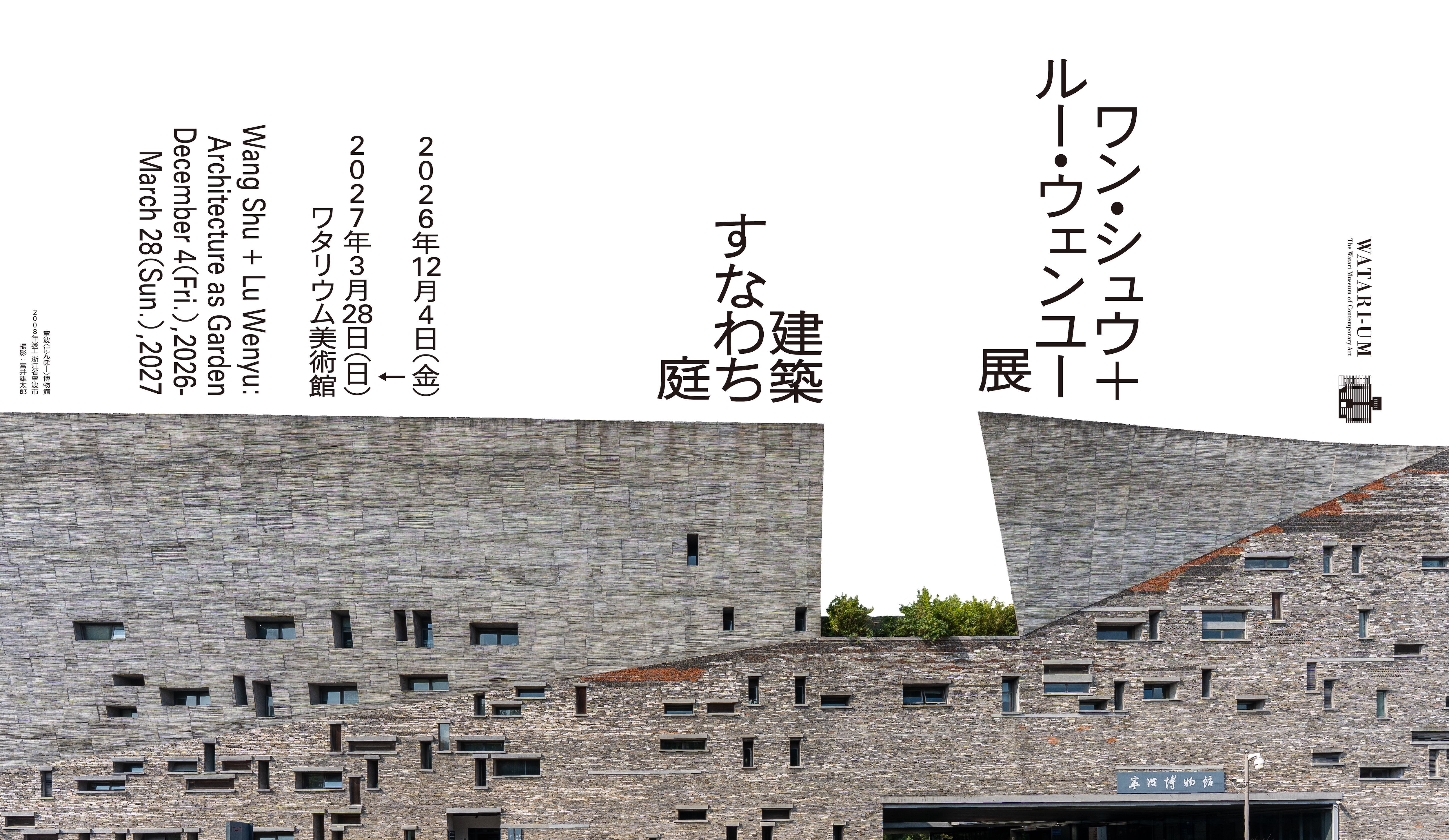
WATARI-UM is holding the first major exhibition of the architects Wang Shu and Lu Wenyu in Japan. Wang Shu received Pritzker Architecture Prize in 2012 and they have been chosen as the curators of the 2027 Venice Architecture Biennale.
Their vision, Architecture as Garden 建築即園林, is derived from their deep insight into yuánlín 園林, Chinese traditional garden. With elements such as trees, stones, water, bridges and arbors, yuánlín consists creates a world by blending natural and artificial things. It is not untouched nature; it is another environment deriving from mixture of nature and human imagination. Wang and Lu inherited this literati-like idea of garden into contemporary architecture and cultivated the new possibility of architecture, referring the Chinese traditional cultures including gardens, sansuiga [landscape ink painting], poetry and writings, crafts as well as vernacular materials and techniques. In their architecture, the materials gathered from the demolished communities, such as tiles, bricks, soil, wood and bamboo, are not just recycled materials; these are the important media to evoke the disappearing memory of those places and to bring another sense of time into contemporary urban life.
The exhibition introduces their architectural world where nature and artificiality, materiality and embodiment, memory and future are intermingled, through the actual size mockups, drawings, models, sketches, movies, photographs and a tearoom which is newly designed and built for this show. Visitors would walk around the museum as a garden, experiencing the attractions of their architecture that has been developed over time.
WORKS
-
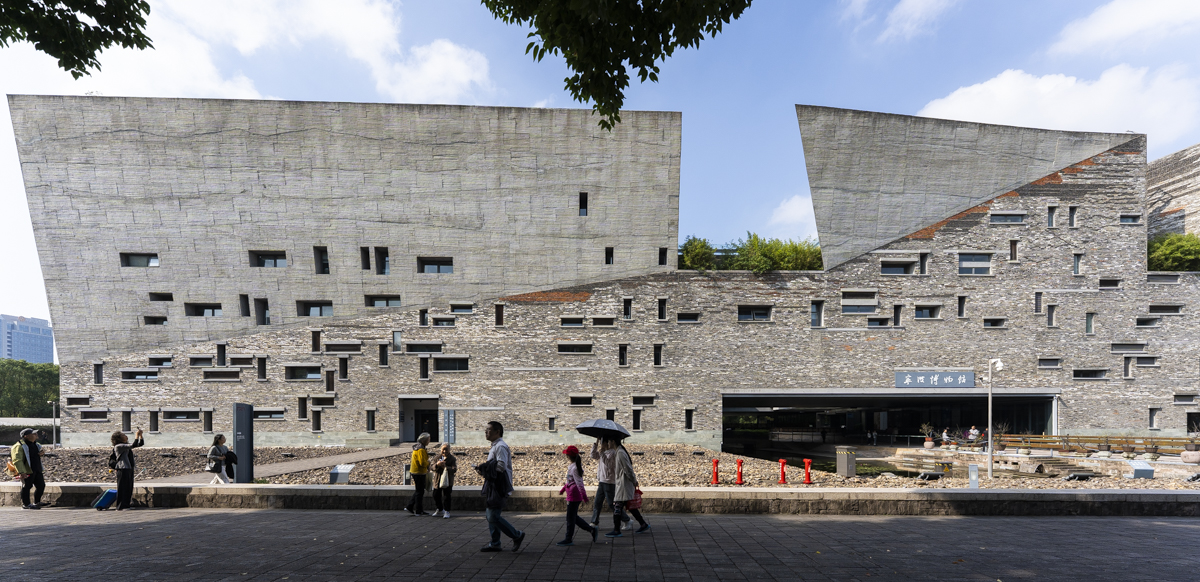
Ningbo History Museum, 2008, Ningbo, Zhejiang. *
-
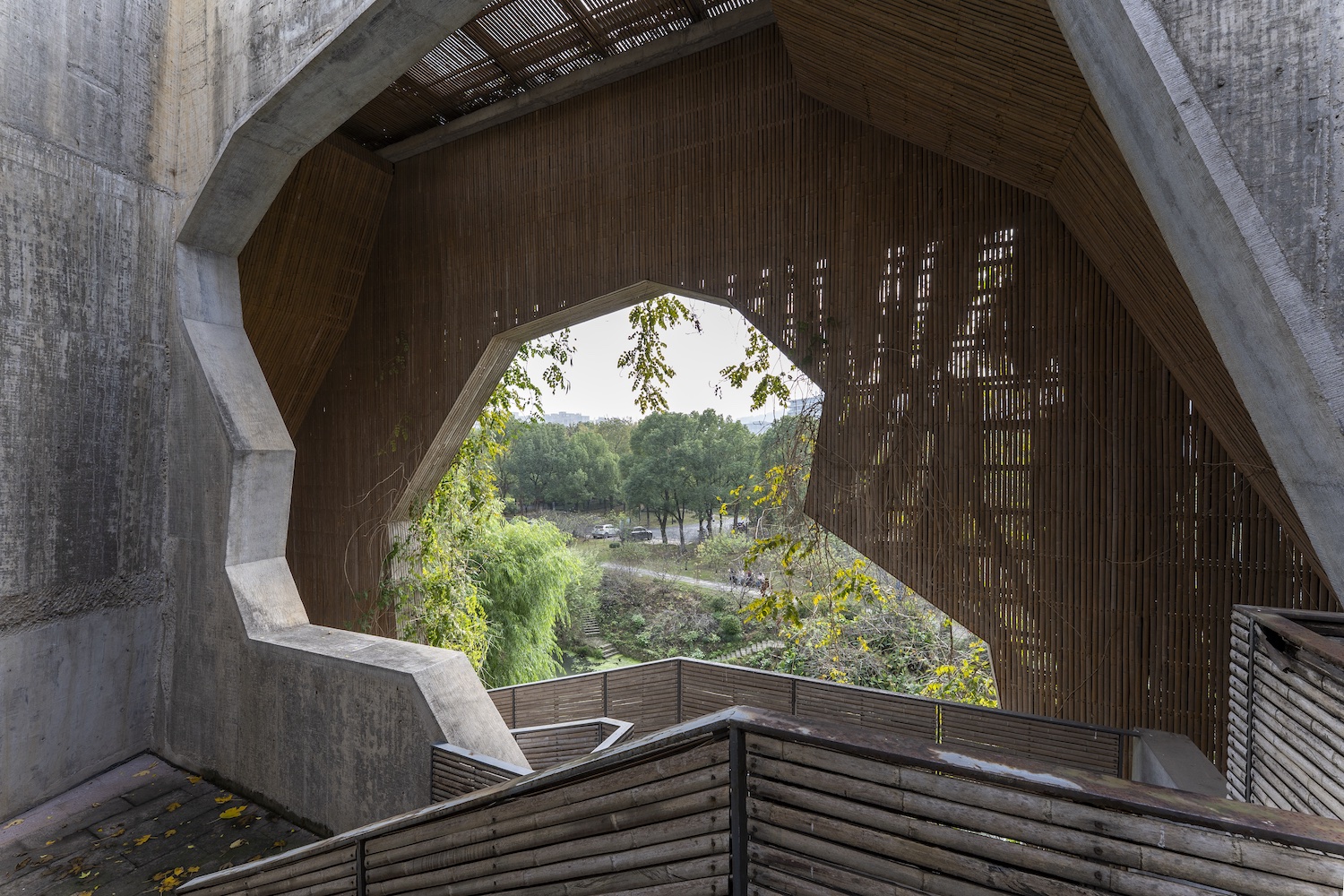
Taihu hole
Free-form openings were inspired by strangely shaped Taihu stone in Chinese traditional garden * -
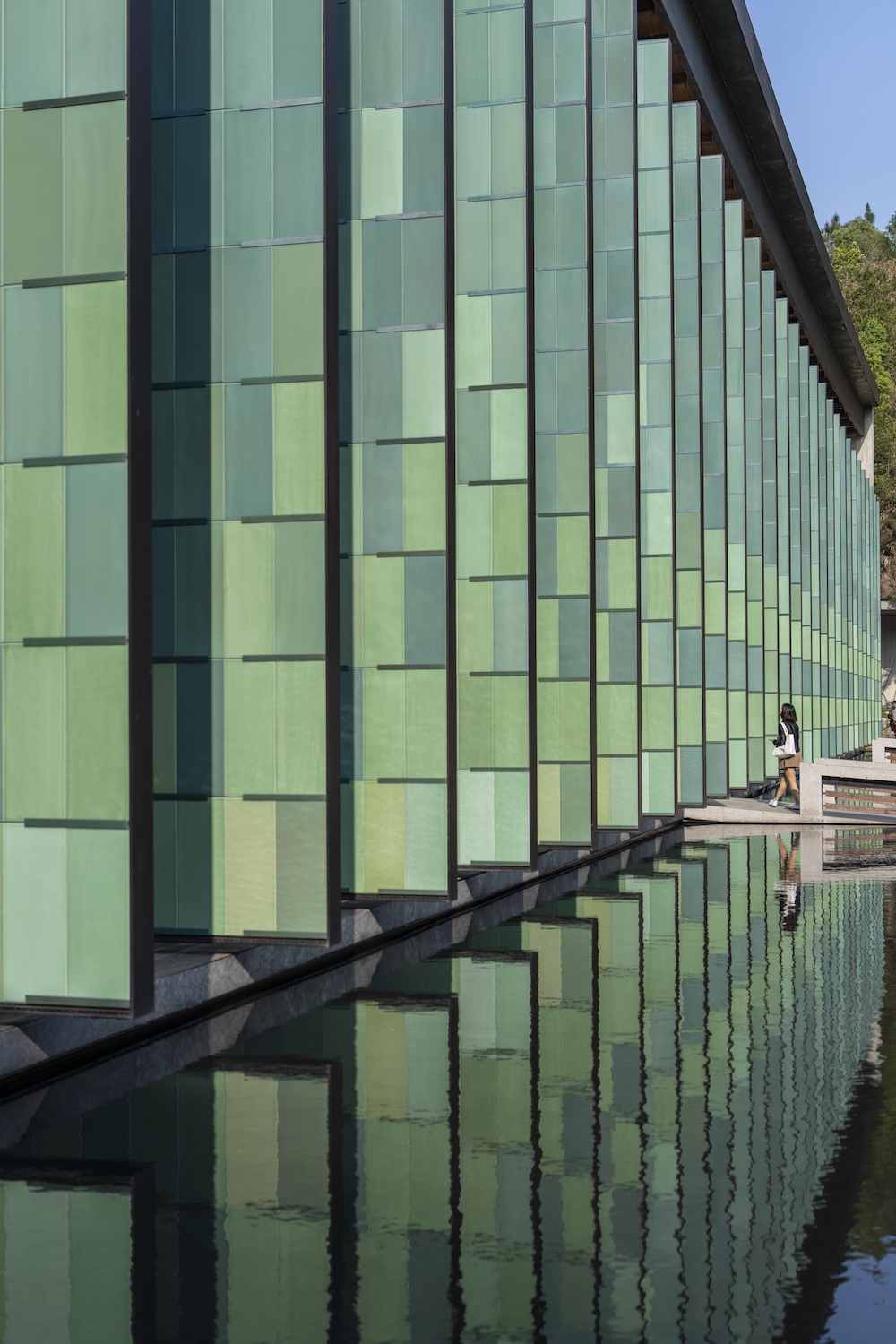
Hangzhou National Archives of Publications and Culture, 2022, Hangzhou, Zhejiang. *
-
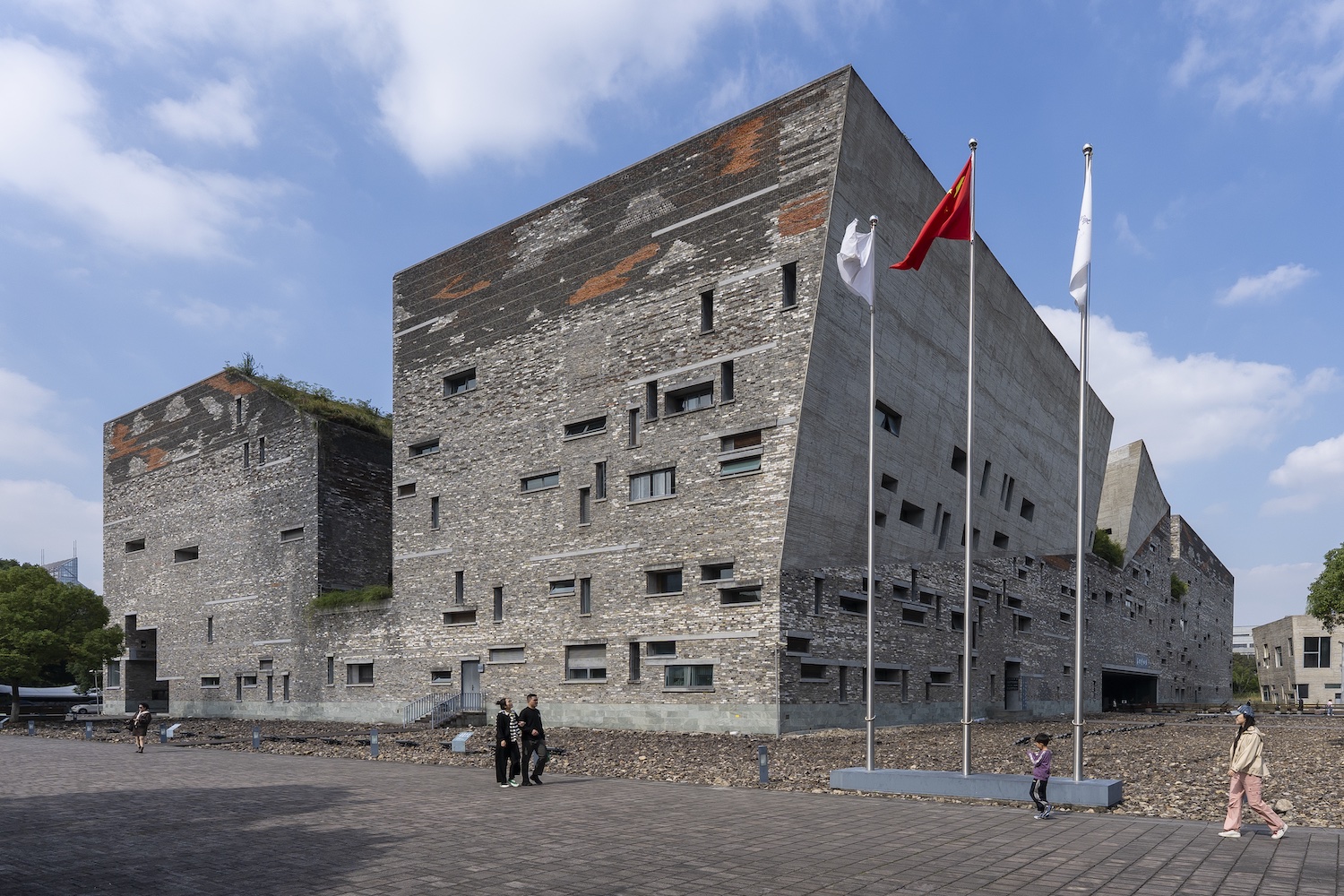
Ningbo History Museum, 2008, Ningbo, Zhejiang. *
-
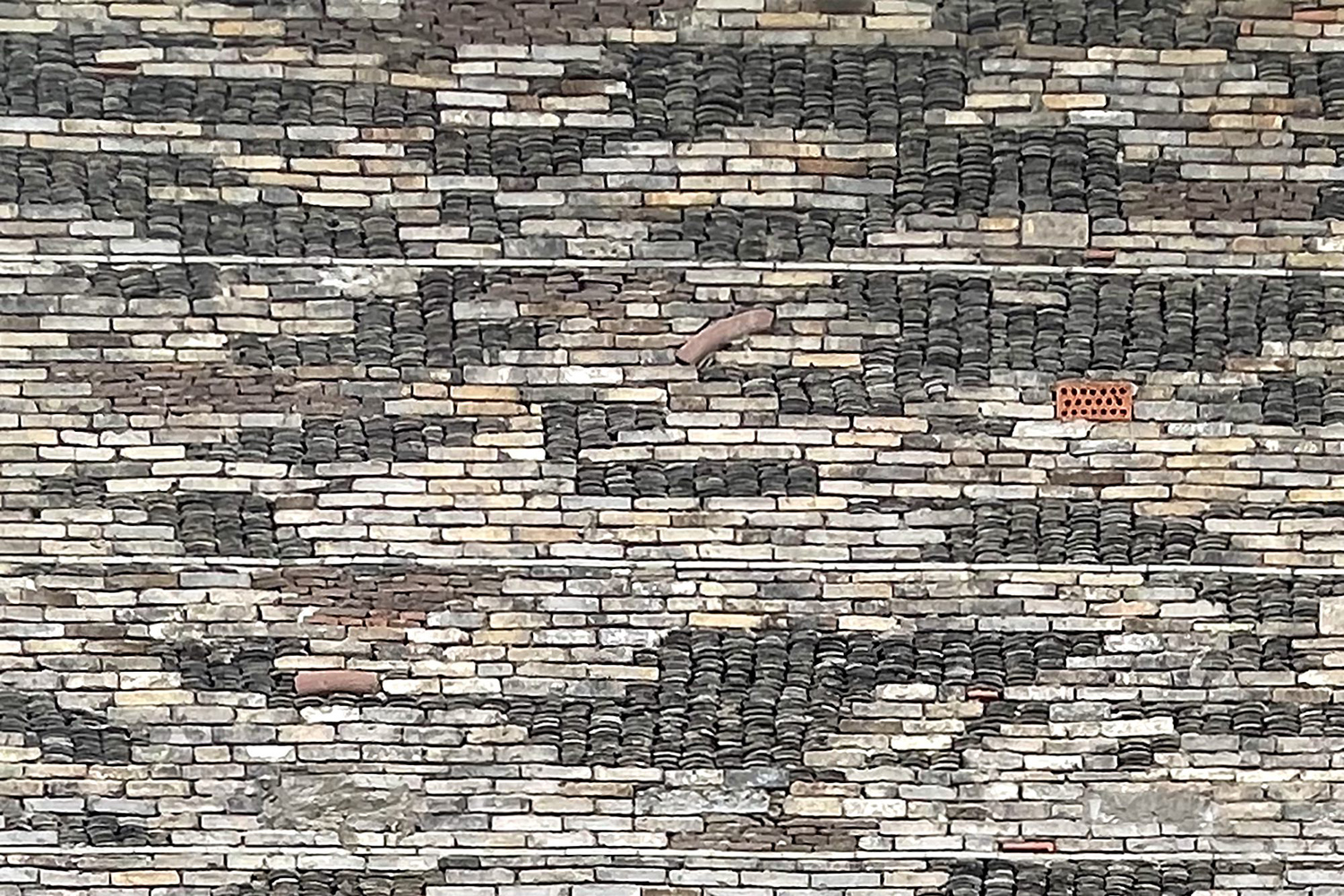
Wapan wall
A façade of bricks and tiles rebuilt from the demolished community houses -
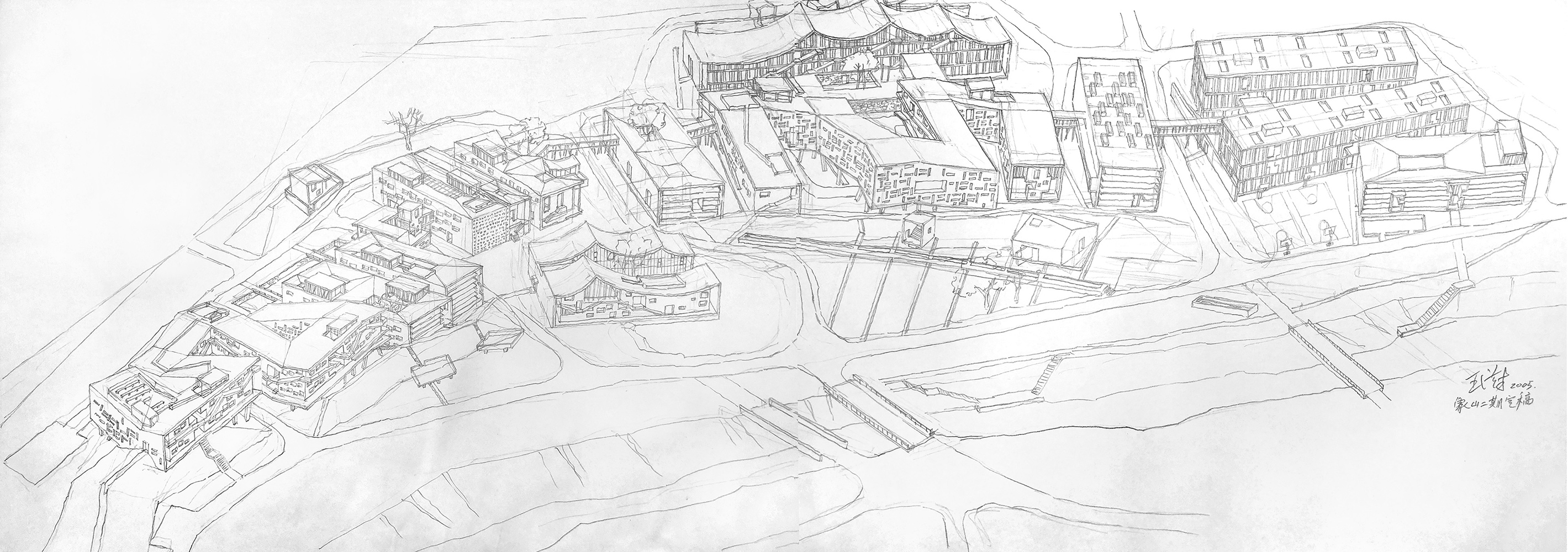
Drawing for the Xiangshan Campus of the China Academy of Art (Phase Ⅱ) , 2005. 64.9×22.8cm Pencil on paper
-
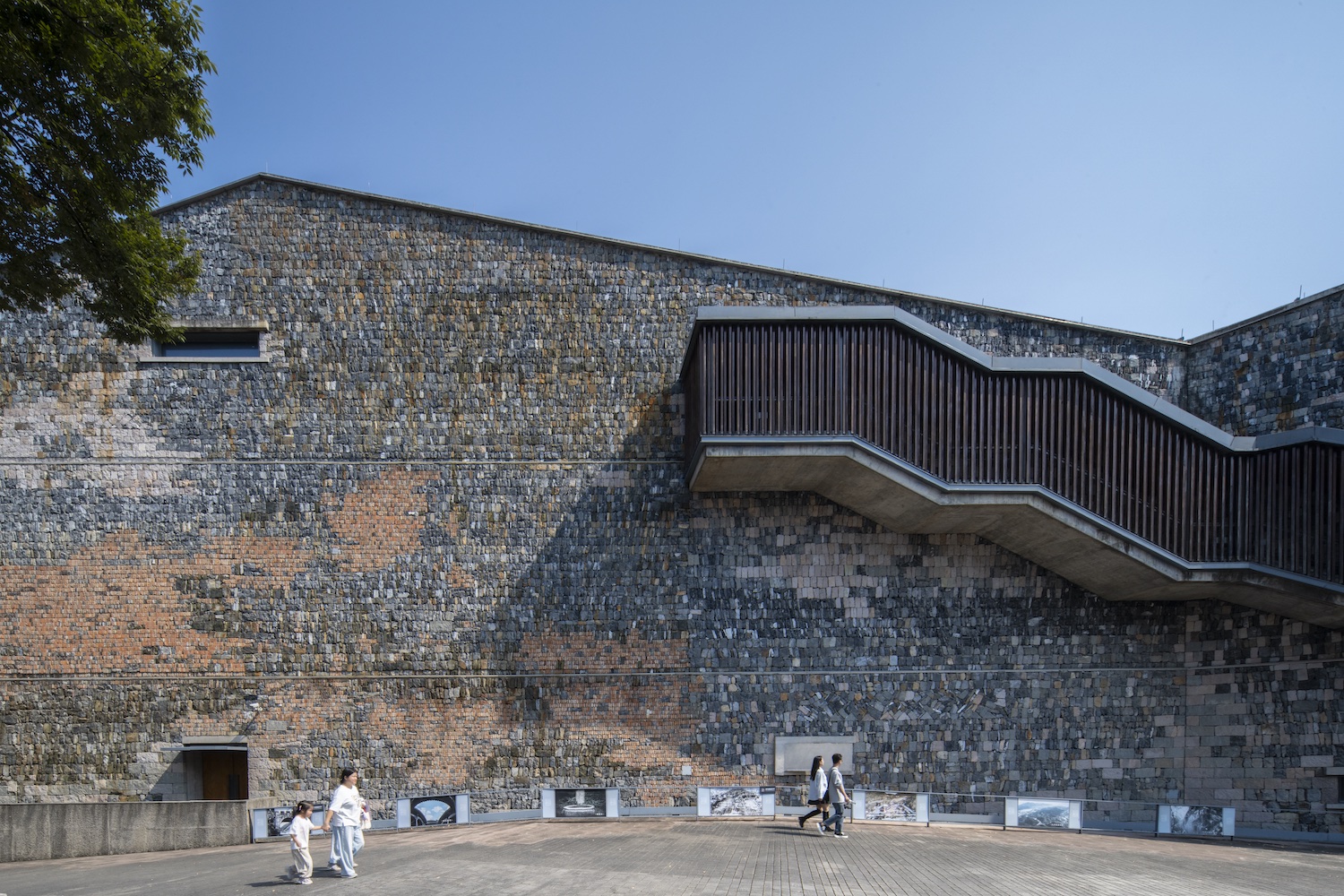
Lin’an Museum, 2019, Hangzhou, Zhejiang. *
-
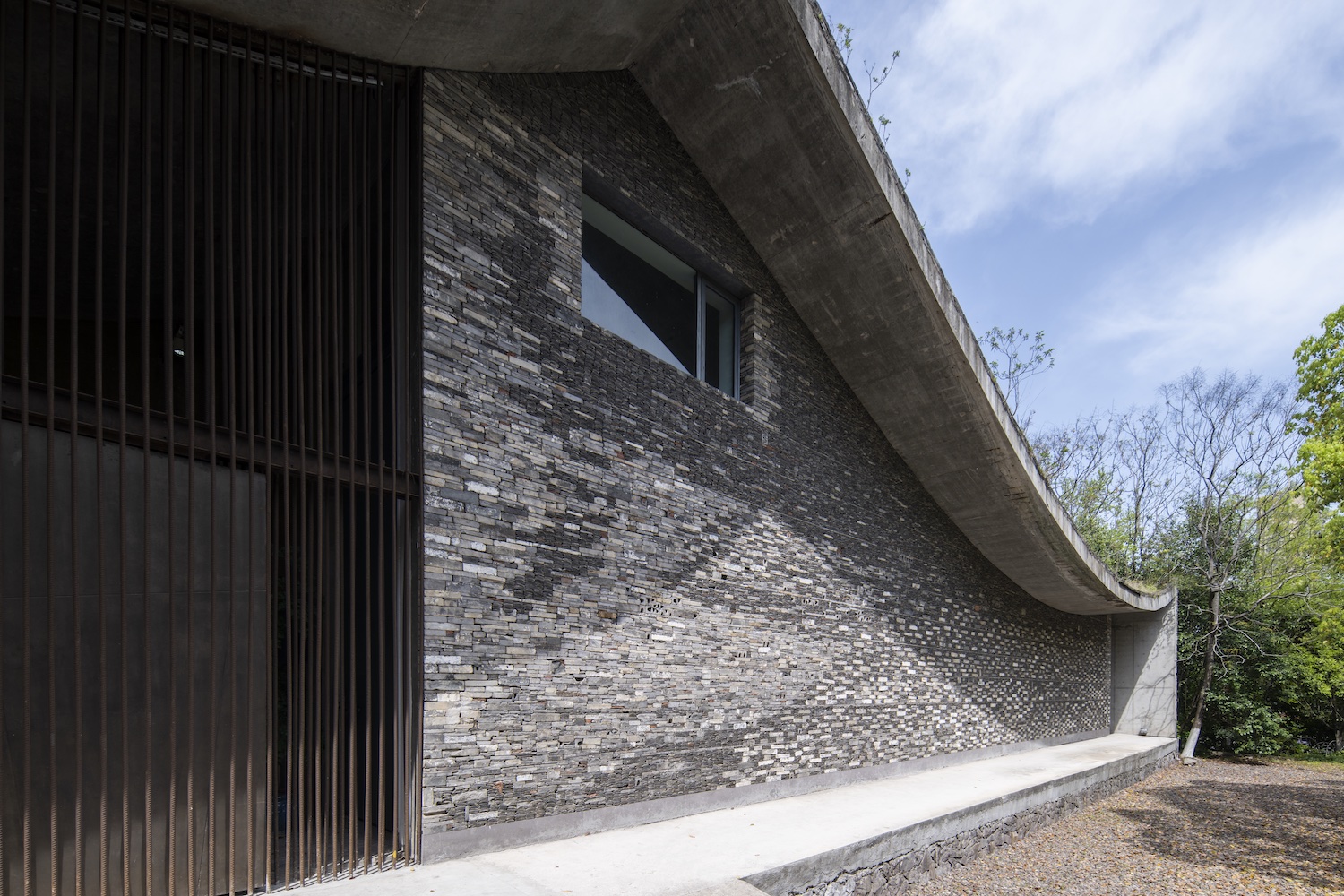
Five Scattered Houses, 2006, Ningbo, Zhejiang. *
-
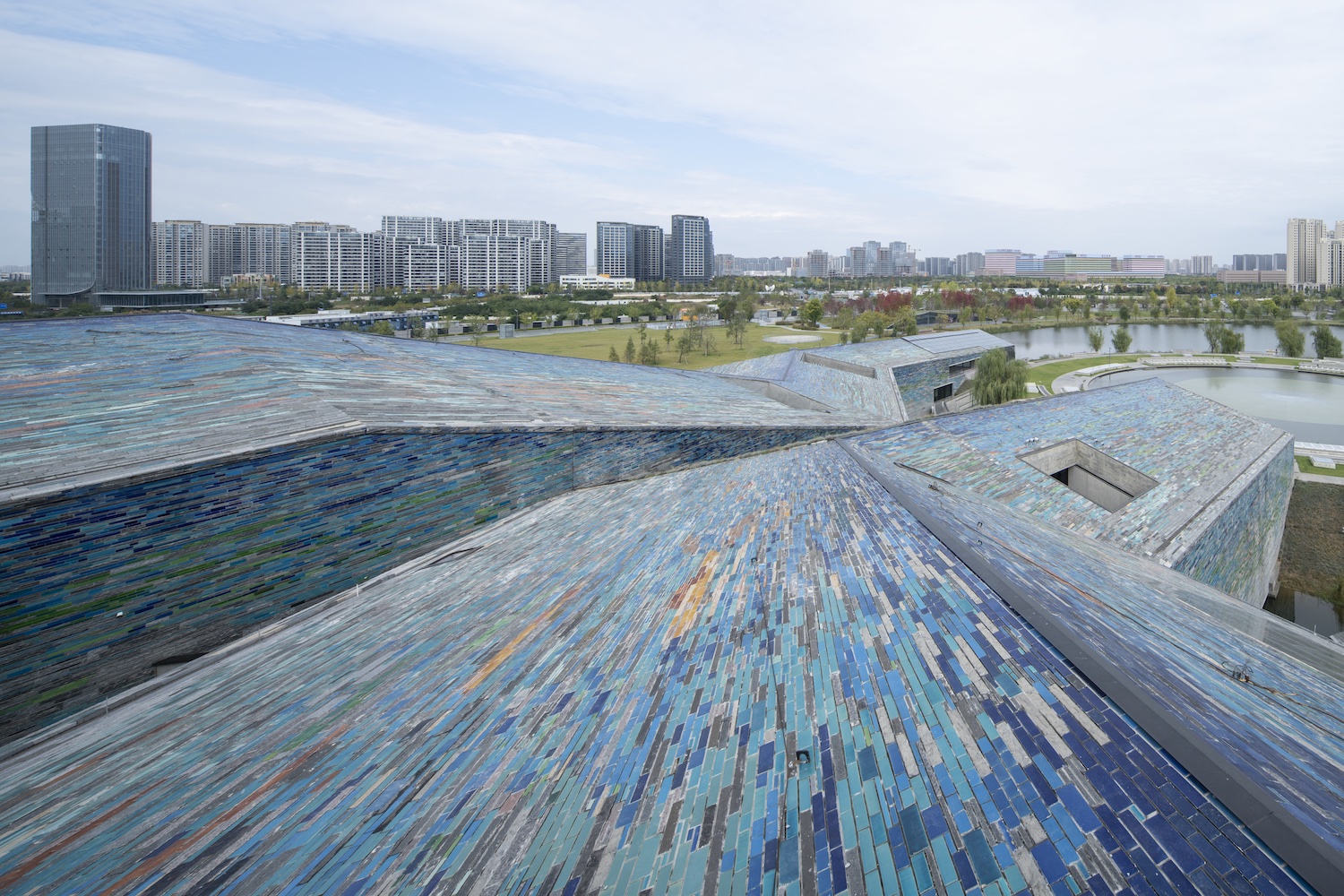
Xi'an Performing Art Center, 2025, Xi'an, Shaanxi. *
-
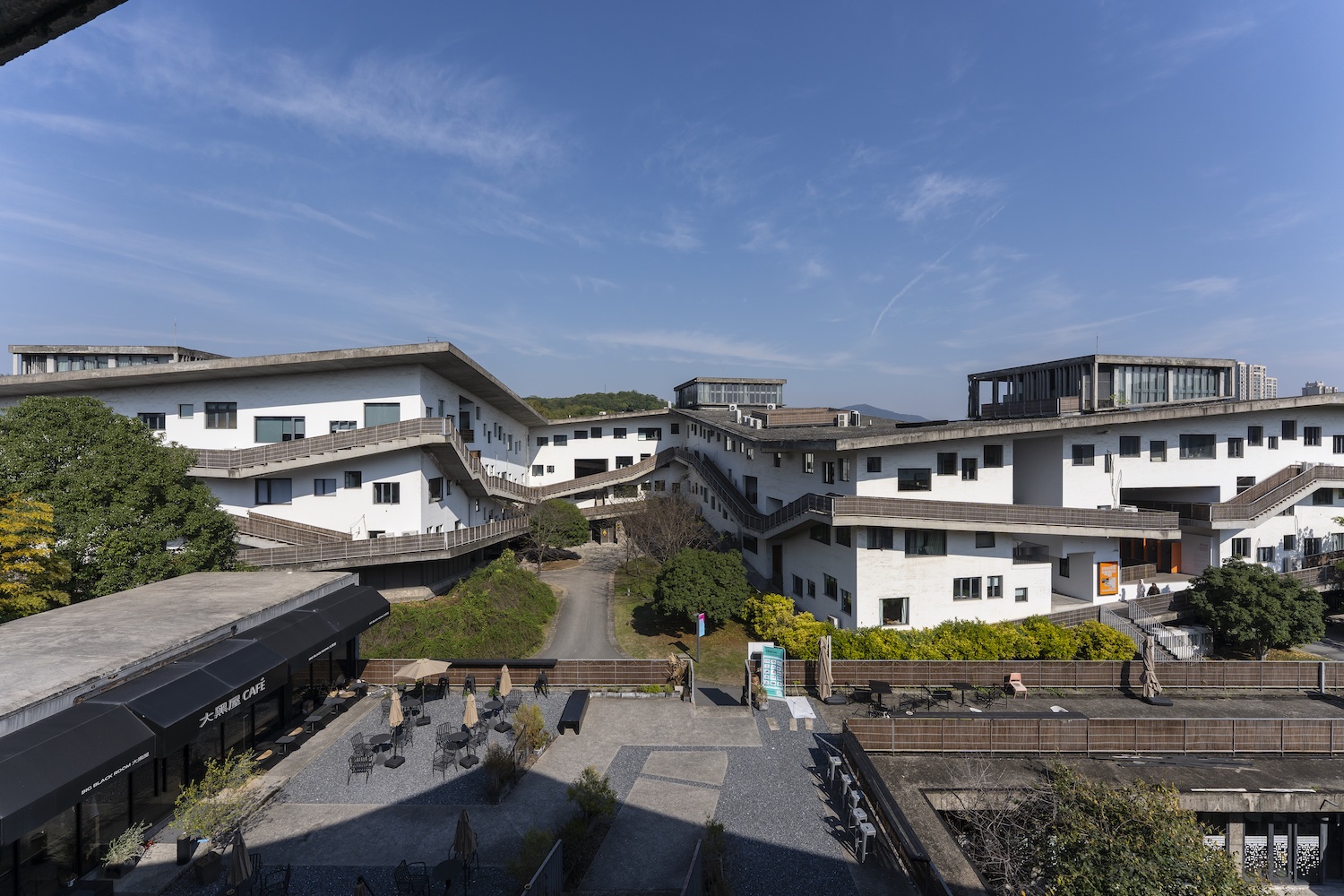
Xiangshan Campus of the China Academy of Art (Phase Ⅱ), 2007, Hangzhou, Zhejiang. *
*Photo: Yutaro Tomii
PROFILE
-
©I.Mathie
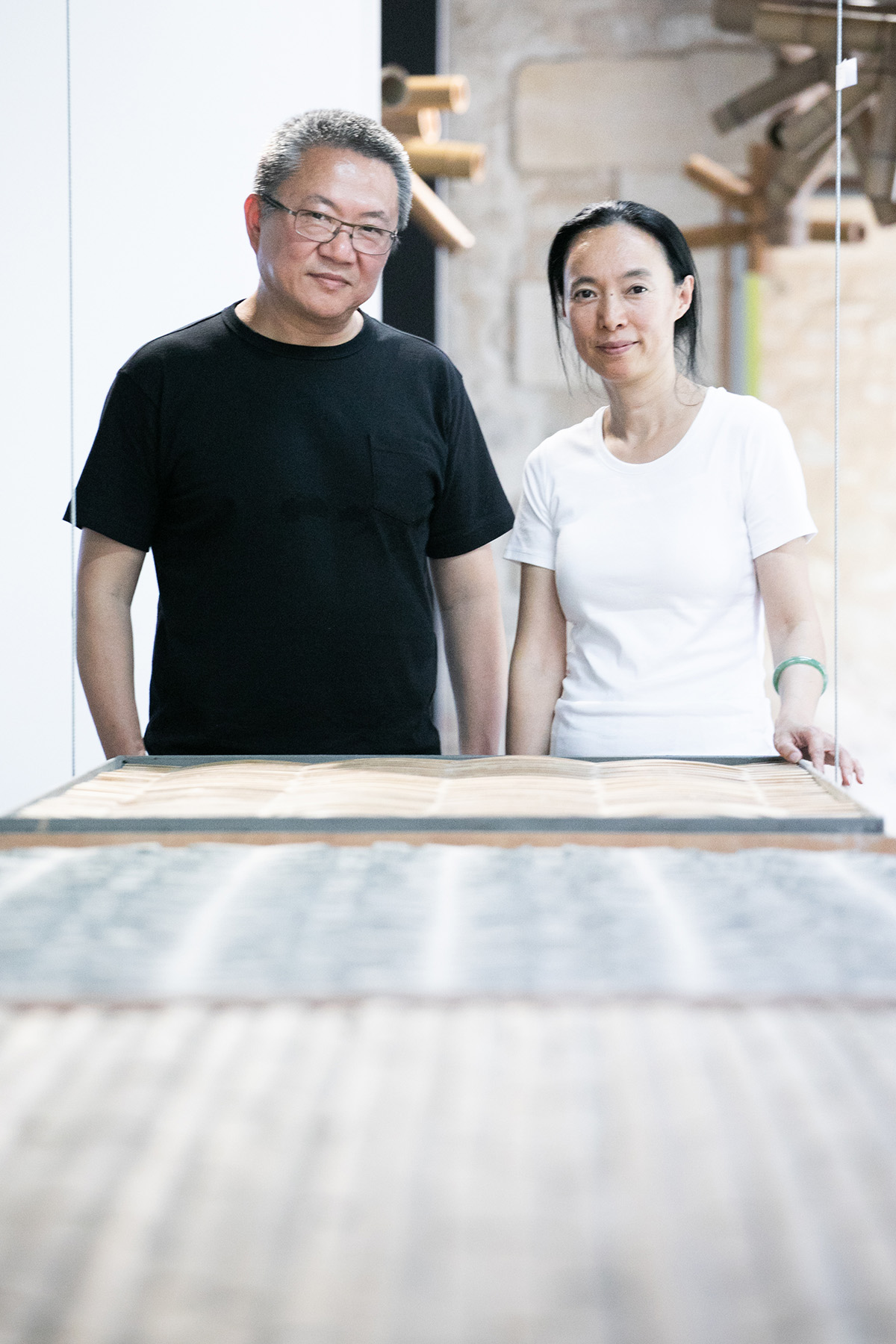
- Wang Shu + Lu Wenyu
Wang Shu is an architect who was born in 1963. He received his first degree in architecture in 1985 and his Master’s degree in 1988, both from the Nan Nanjing Institute of Technology. In 2000, he received a Doctor of Architecture degree from Tongji University. He is Professor and Head of the School of Architecture, China Academy of Art, Hangzhou. He co-founded Amateur Architecture Studio with Lu Wenyu in 1997.
Lu Wenyu is an architect who was born in 1967. She graduated from the Nanjing Institute of Technology. She is Professor of the School of Architecture, China Academy of Art, Hangzhou. She co-founded Amateur Architecture Studio with Wang Shu in 1997.
Amateur Architecture Studio is led by Wang and Lu, which was founded in Hangzhou, Zhejiang, China in 1997. The word Amateur carries their critical attitude, like Chinese traditional literati – not to follow the mega construction companies and the rapid market system – thus considering architecture according to their "internal criteria." They have explored the new possibility of architecture and nature, old and new, material and time, form and space, referring the Chinese traditional cultures including gardens, sansuiga [landscape ink painting], crafts as well as vernacular materials and techniques.
The representative architectural works includes the Xiangshan Campus of the China Academy of Art, Ningbo Museum of Art, Hangzhou Zhongshan Road Conservation and Renovation Project, Wencun Village Project, Fuyang Cultural Complex, Lin’an Museum and Hangzhou National Archives of Publications and Culture.
Wang Shu's writing works include How the Design Begins 設計的開始 and Designing a House 造房子.
Their works have gathered international attention and reputation after the turn of the 21st century.
In 2010, Wang Shu and Lu Wenyu were awarded the Schelling Architecture Prize. In 2011, Wang Shu received the Gold Medal of Architecture (grande médaille d’or) from the l'Académie d'Architecture of France. In 2012, Wang became the first Chinese citizen to win the Pritzker Prize. Lu Wenyu chaired the 2024 RIBA International Prize jury.